United in Faith
MY ROLE
Lead UX Research
Interaction Design
Print Design
COLLABORATORS
TIMELINE
Jun-Oct 2025
Cedars-Sinai COE Fellowship
OVERVIEW
As a Cedars-Sinai design fellow, I helped launch United in Faith, a faith-based cancer screening initiative for underserved communities in LA. I led UX research, designed the campaign website and bilingual Korean screening passport, and built a modular identity system across print and digital.
THE PROBLEM
Clinical outreach wasn’t working with Korean women in LA.
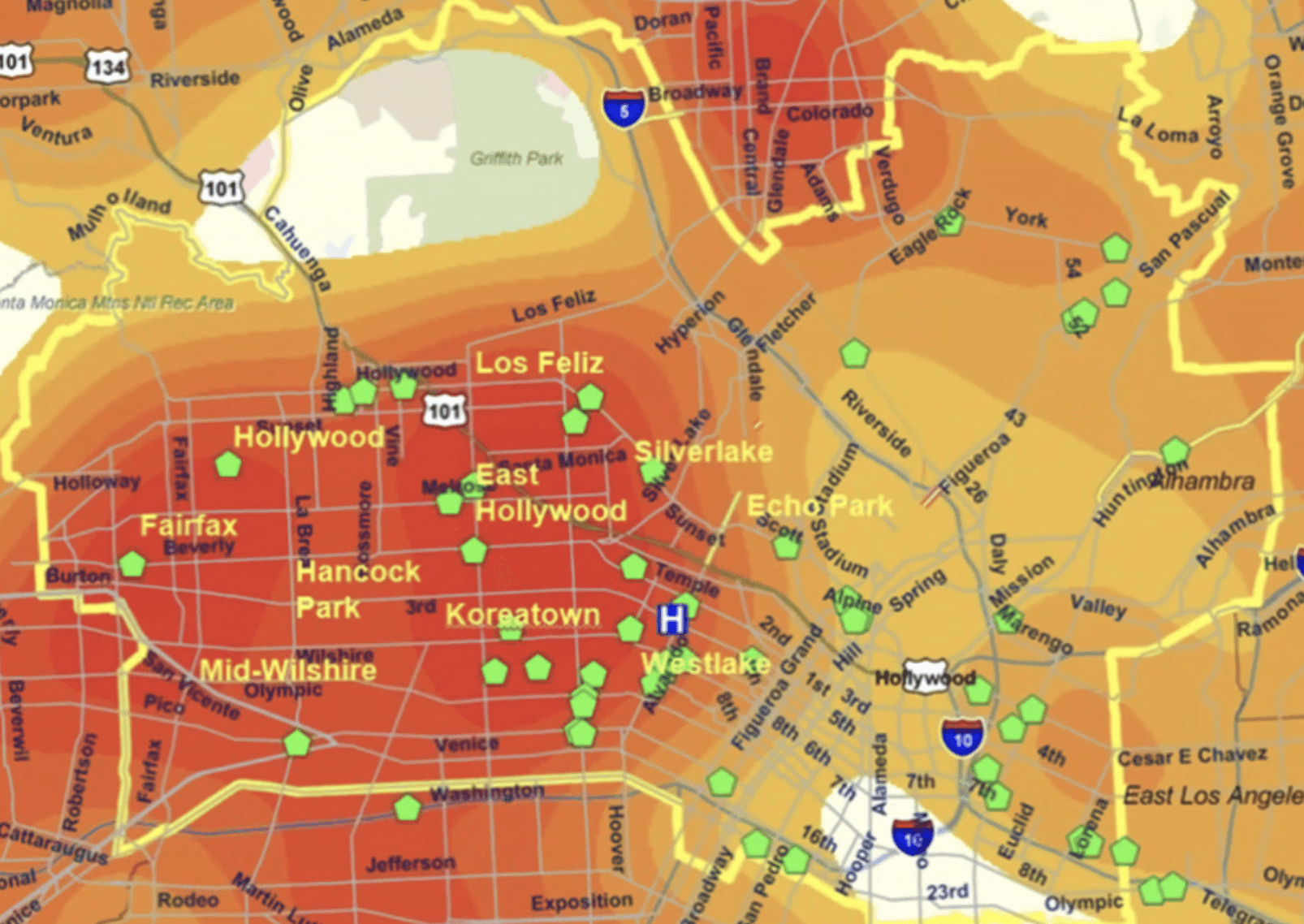
Korean American women have one of the lowest breast cancer screening rates among all Asian subgroups. The reason isn't a lack of clinics, but a deeper set of barriers that clinical outreach alone couldn't reach.
CURRENT BARRIERS
So why aren’t they getting screened early-on?
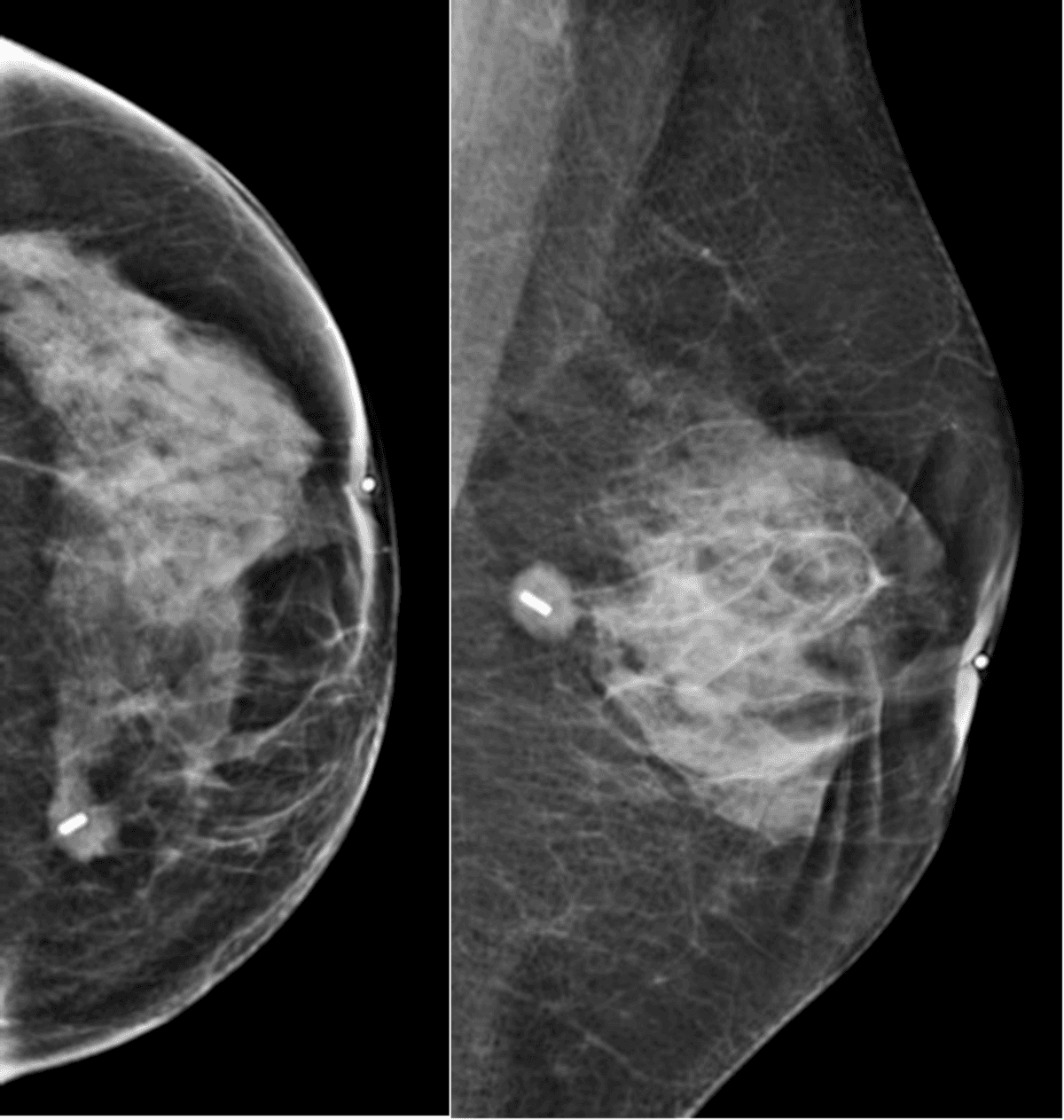
Most cancers are asymptomatic in early stages. By the time a woman feels something is wrong, it's often too late. The system needed a different entry point.
System distrust
Low trust in the healthcare system among immigrant communities
Cost & coverage
Low-income or uninsured status; fear of cost and billing
Access
Limited transportation and few nearby clinics
Language
Language and cultural barriers in clinical settings
Health literacy
Low awareness of cancer screening guidelines and prevention
Belief
"If I don't feel sick, I don't need screening"
“If Korean women aren’t responding to clinical outreach, who do they trust? Who would they actually listen to?”
CONTEXT
The answer was already in the community — it just wasn’t in a clinic.
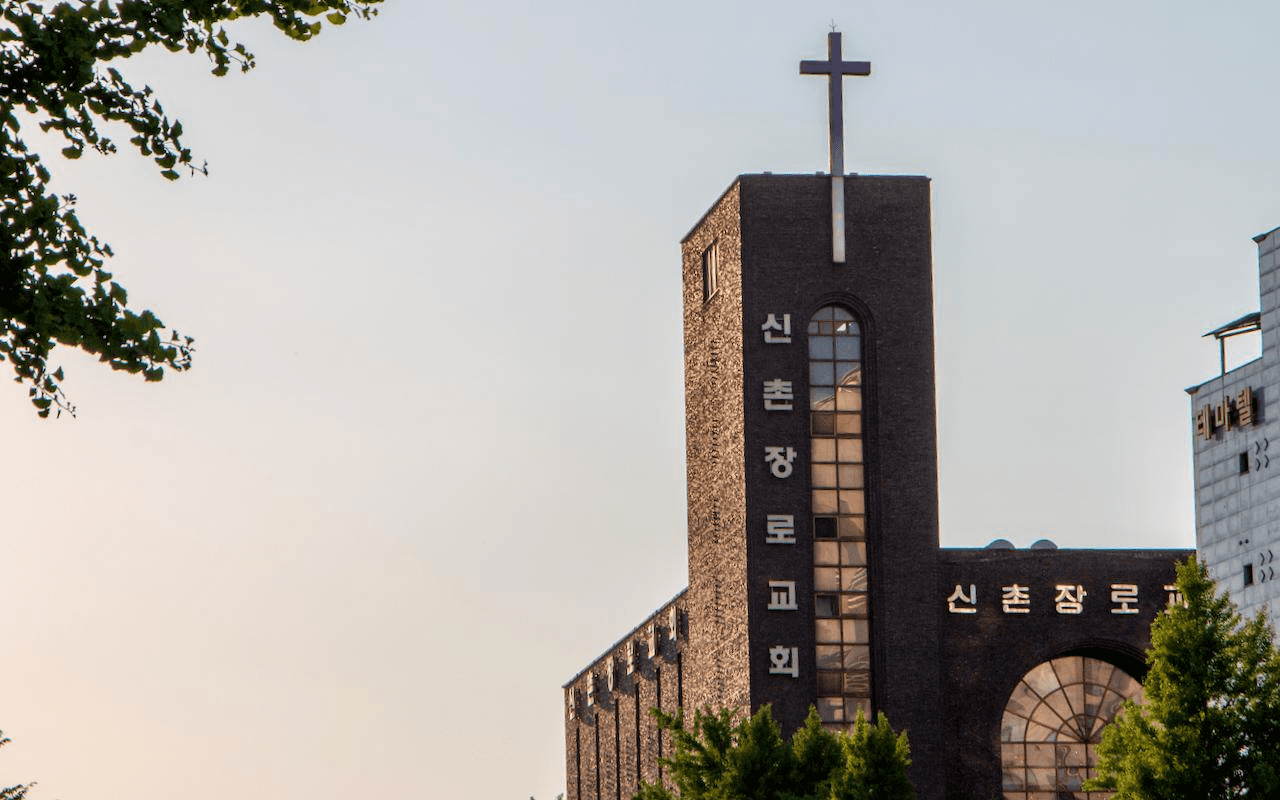
Korean immigrant communities have deep, established trust networks outside the healthcare system: faith leaders, church community groups, peer networks, and Korean-language media.
LAUNCHING THE INTERVENTION
Faith in Action!
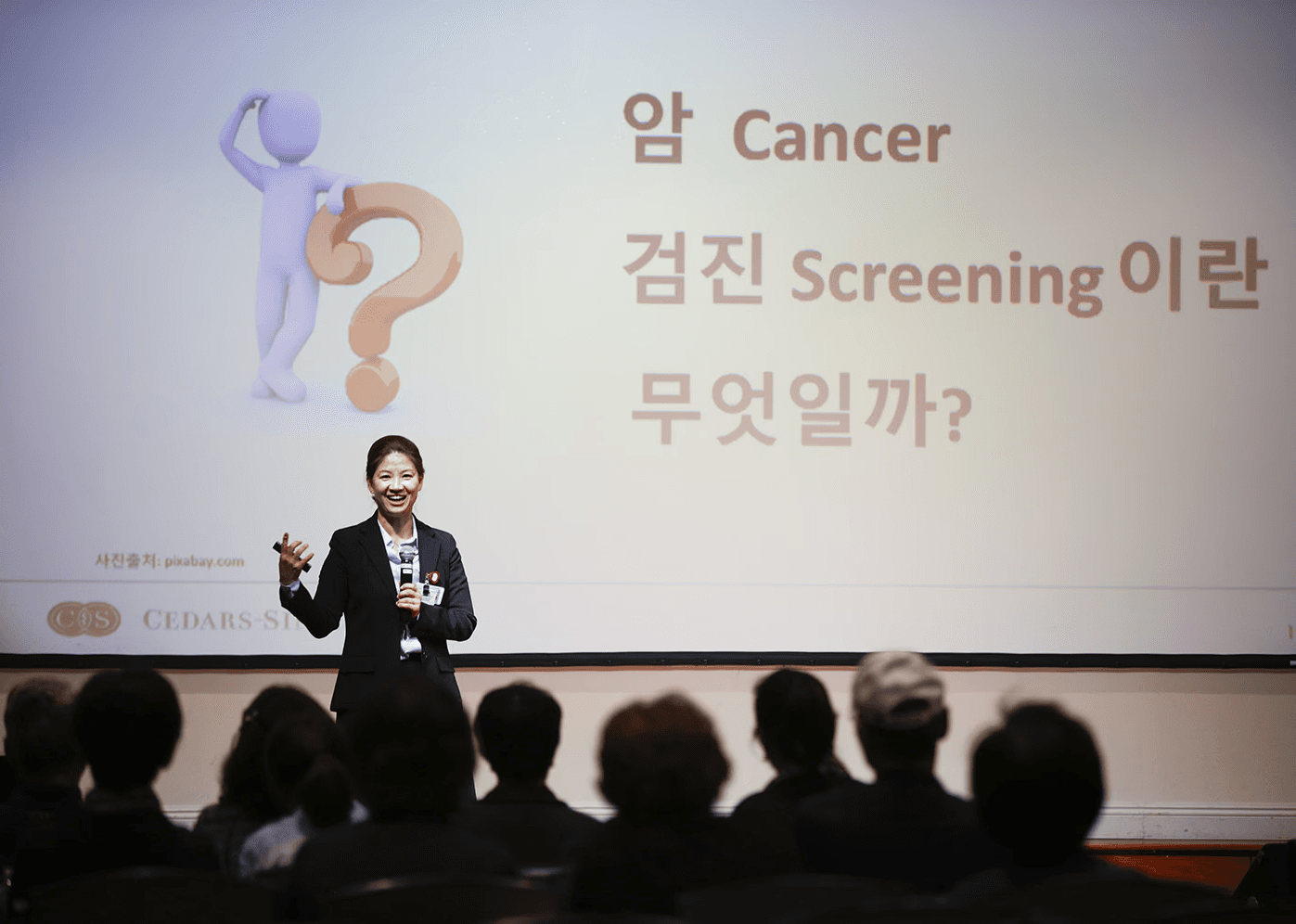
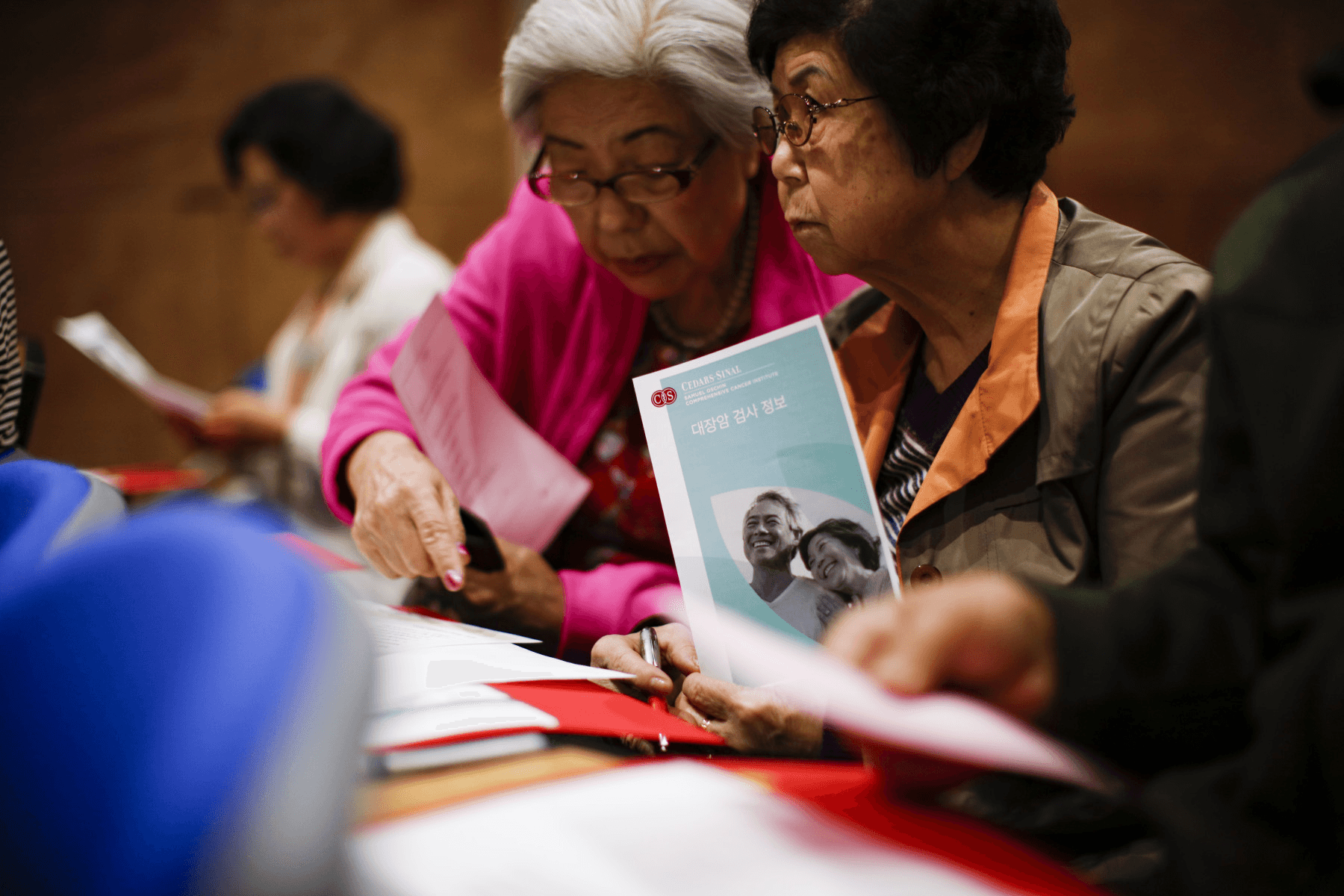
Cedars-Sinai's Community Outreach team had been building Faith in Action! since 2021 — an evidenced-based intervention that trains faith leaders to become trusted health messengers and navigators. It had been piloting in Korean churches with measurable results.
RESEARCH
I mapped the full system before touching any design.
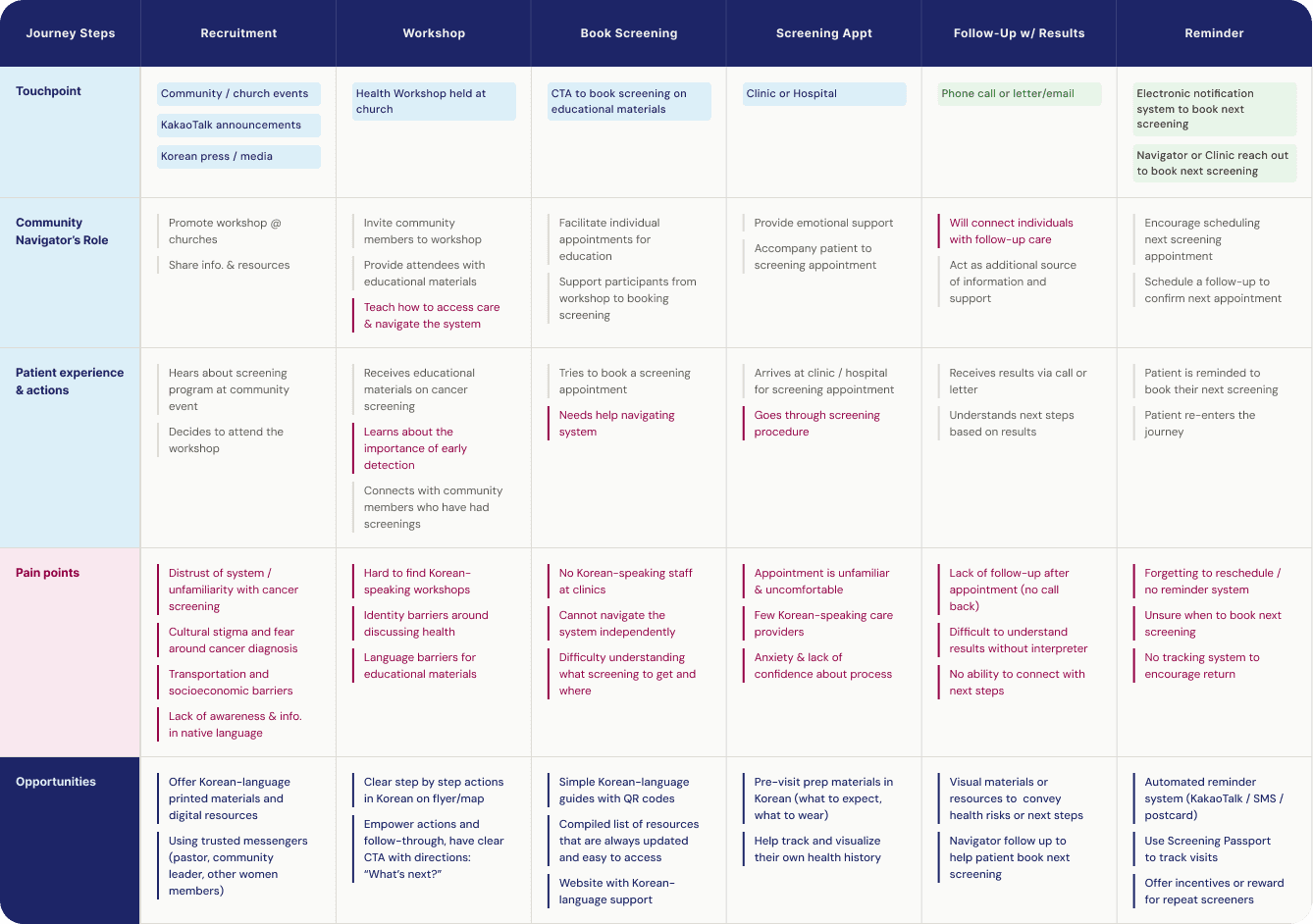
Before designing anything, I needed to understand the system we were designing into, mapping every touchpoint between Cedars-Sinai, faith leaders, community navigators, and members to find where the gaps were.
FINDING 01
At the "Book Screening" stage, navigators had no standardized materials to hand off to members.
-> Led to: the screening passport
FINDING 02
Faith leaders needed credible, print-ready materials they could use in sermons & workshops .
-> Led to: Campaign print system
IDENTITY
One identity system, built to scale across communities.
The campaign needed a visual identity that could work at sticker scale and website scale, in dark and light contexts, and be modular enough to expand to other communities. I explored four different symbol directions, each representing a balance of health, faith, community, and protection.
Final campaign mark

DESIGNED TO GROW
The modular system was built with expansion in mind. As United in Faith scales to Spanish-speaking, Vietnamese, and other LA communities, community-specific color palettes can differentiate programs while the typographic system stays consistent.
WEBSITE
One site, two completely different users.
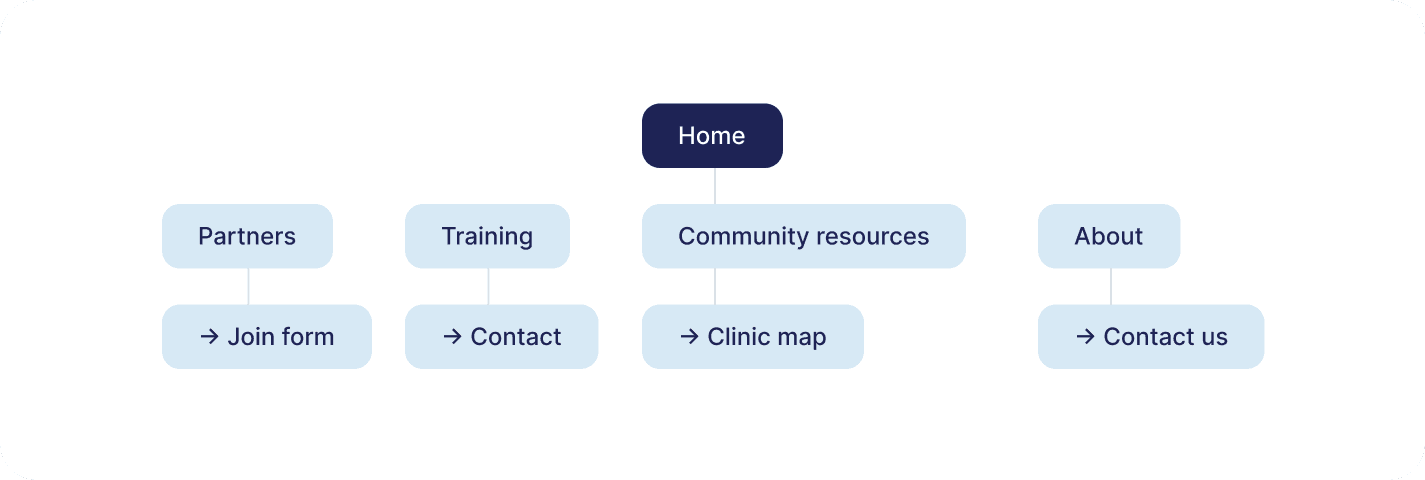
The site needed to serve two fundamentally different users within one coherent structure: faith leaders evaluating the program as partners, and community members seeking immediate health resources. These audiences have different goals, different familiarity with the program, and different CTAs.
TIER 1
Home
Dual-audience fork below the hero: each user knows exactly where to go
Impact stats build credibility before asking for any action
Real testimonials from pastors and community members — social proof from within
TIER 1
Community resources
3-step CTA reduces friction: Know → Plan → Get Screened
Cancer education cards for all 5 types — plain language, not clinical
Embedded clinic map connects digital resource to a physical next step
TIER 2
Partners + Training
Explains the program model before asking for commitment, reducing friction for faith leaders evaluating partnership.
Answers "what is this?" and "who can do it?" before presenting course details → mirrors how a faith leader would actually evaluate joining
PASSPORT
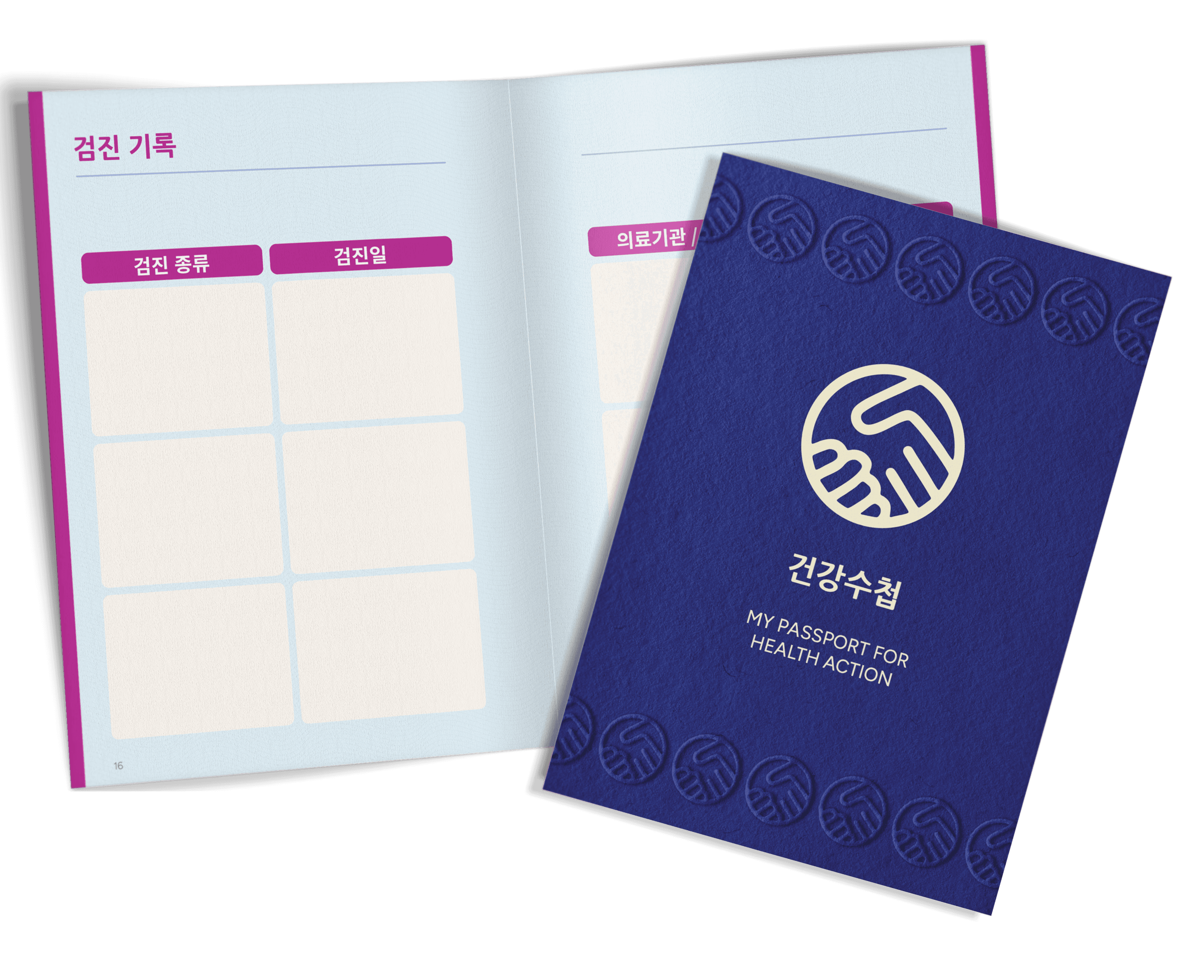
건강수첩: My Passport for Health Action
A bilingual print tool designed to make cancer screening feel like a personal journey, not a clinical transaction. The name 건강수첩 — health booklet — uses a Korean word that already carries cultural resonance as a personal document.
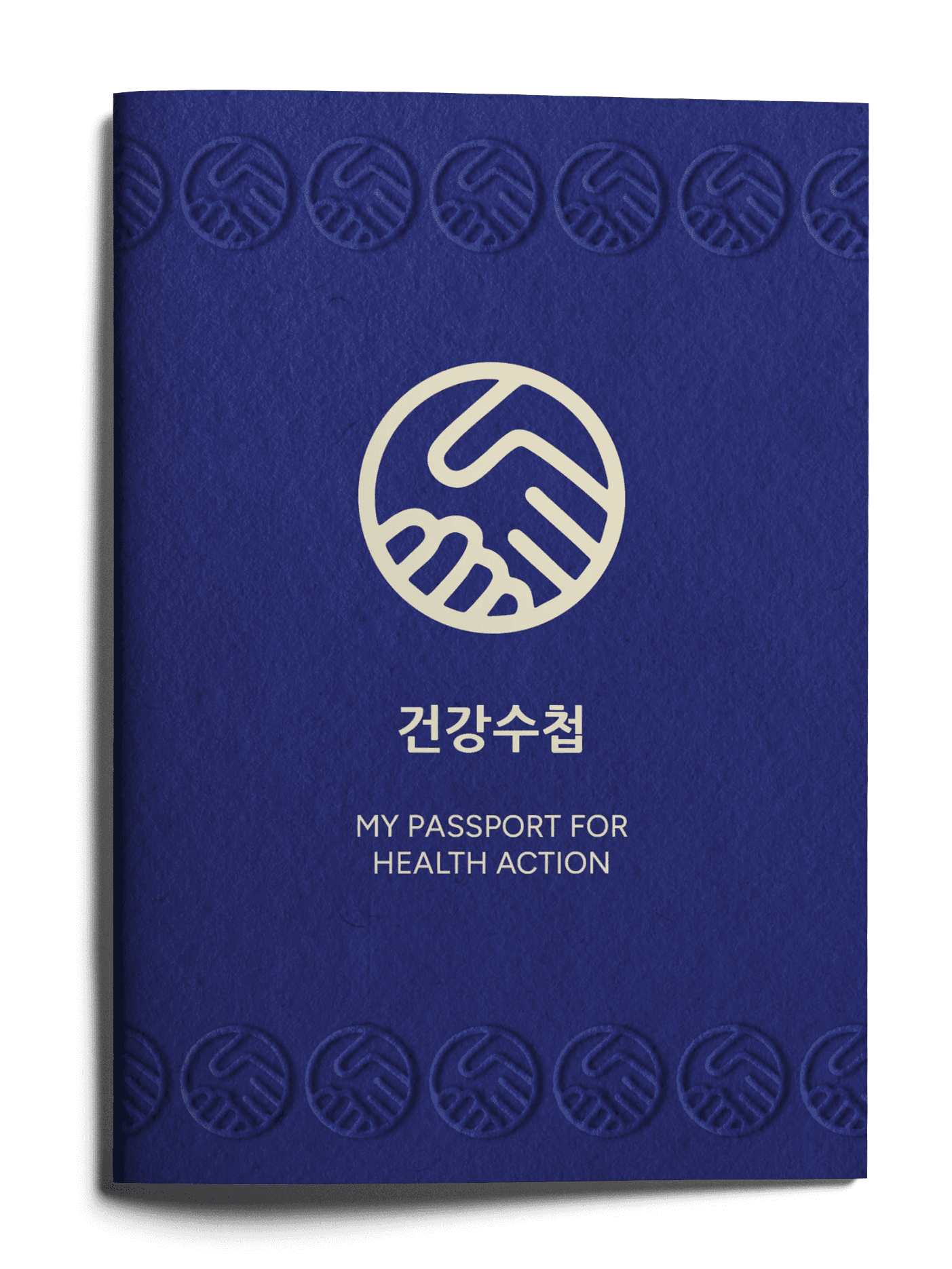
Why a passport?
A passport records your journey, and earns stamps as proof of progress. Applying that framework to cancer screening reframes the experience.
Designed for the community
Entirely in Korean, designed for an older immigrant demographic. Typography and layout density were considered for readability at small print sizes.
WHAT I LEARNED
Designing for community trust is different from designing for preference
Every decision had to pass one question: does this feel like it belongs to this community, or was it made for them from the outside? The answer changed the work constantly.
Systems thinking across print and digital means holding everything at once
A logo decision affected sticker printing, website headers, and future brand expansion. A passport layout affected how navigators used it in real conversations. Nothing existed in isolation.
Working within institutional constraints is a design skill
Designing within Cedars-Sinai's brand guidelines and EBI program structure meant knowing which constraints to push against and which to work within. That judgment doesn't come from a brief.
NEXT STEPS
Digital screening passport
A mobile-friendly version of the passport with reminder notifications, digital stamps, and an integrated clinic map
Modular community color palette
A flexible color system for United in Faith's expansion to Spanish-speaking and Vietnamese communities.